
Where do I find my car's VIN in Costa Rica?
Updated October 25, 2026 · AutoPartes.cr
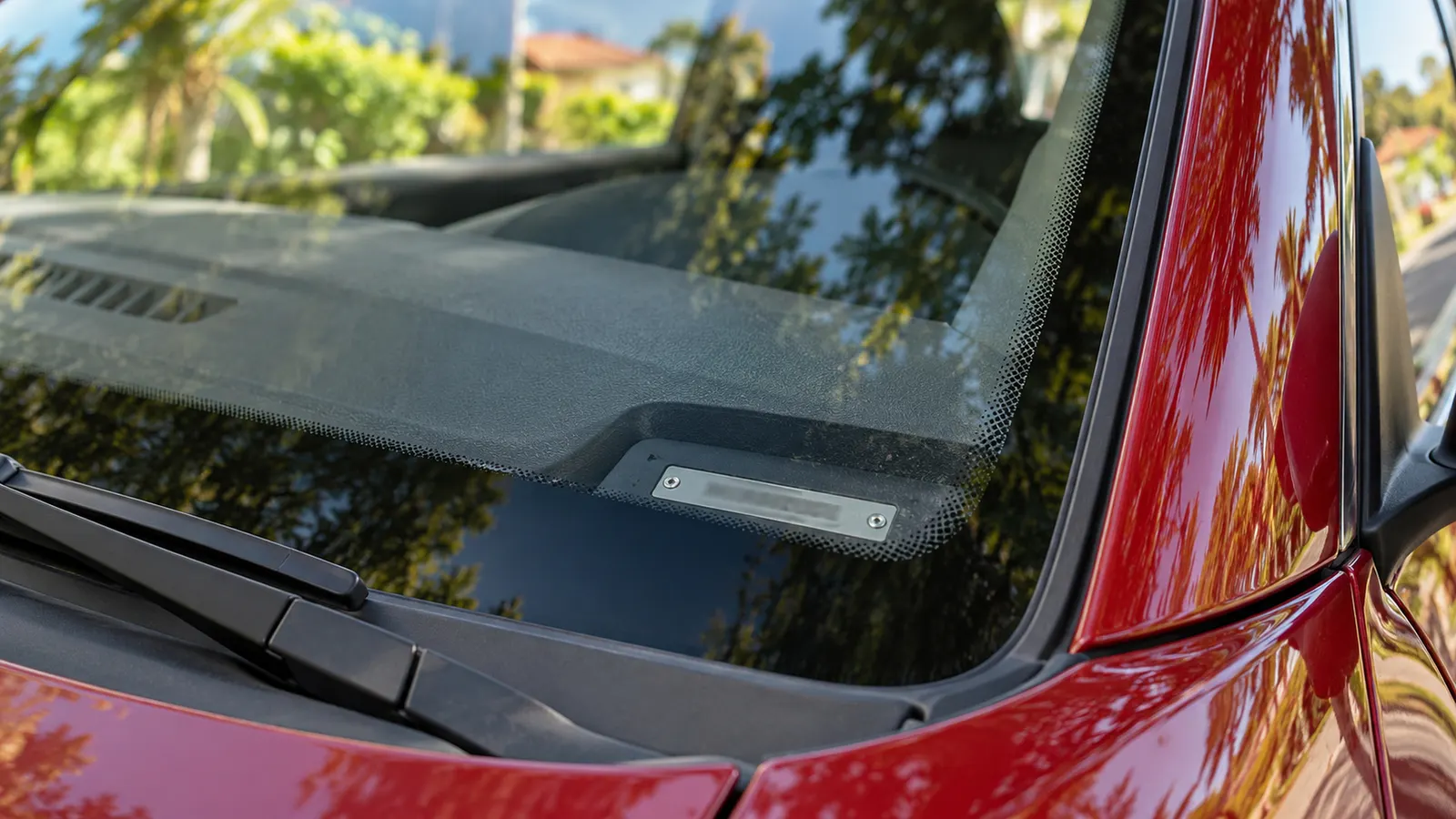
The VIN is a 17-character code of letters and numbers. You'll find it at the lower corner of the windshield on the driver's side, on a sticker in the driver's door frame, and in the car's papers. Many Japanese imports have no VIN but a shorter chassis number, which works too.
Two cars of the same model and year can take different parts: another engine, another trim, another gearbox. The VIN is the surest way to know exactly what yours has. With it, the chance of ordering the wrong part drops a lot.
What is the VIN?
The VIN (vehicle identification number) is a unique 17-character code of letters and numbers that identifies your car. It never uses the letters I, O or Q, so they aren't confused with 1 and 0.
In Costa Rica it's also called the número de chasis (chassis number) or número de serie.
Where is it on the car?
Check these places, in this order:
- The windshield: at the lower corner on the driver's side, a small plate you can read from outside.
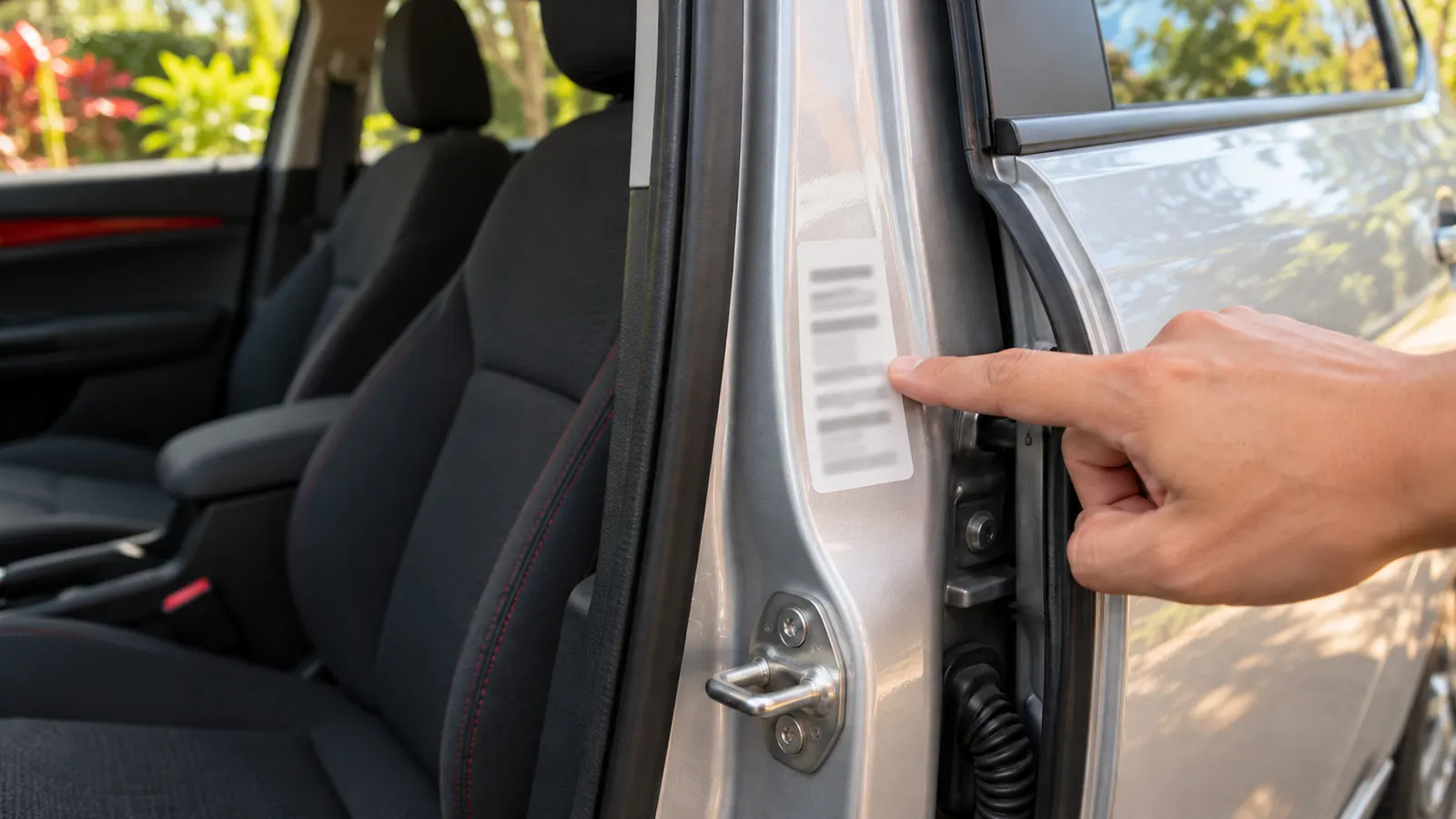
- The driver's door frame: a sticker when you open the door, on the pillar or the edge of the door.
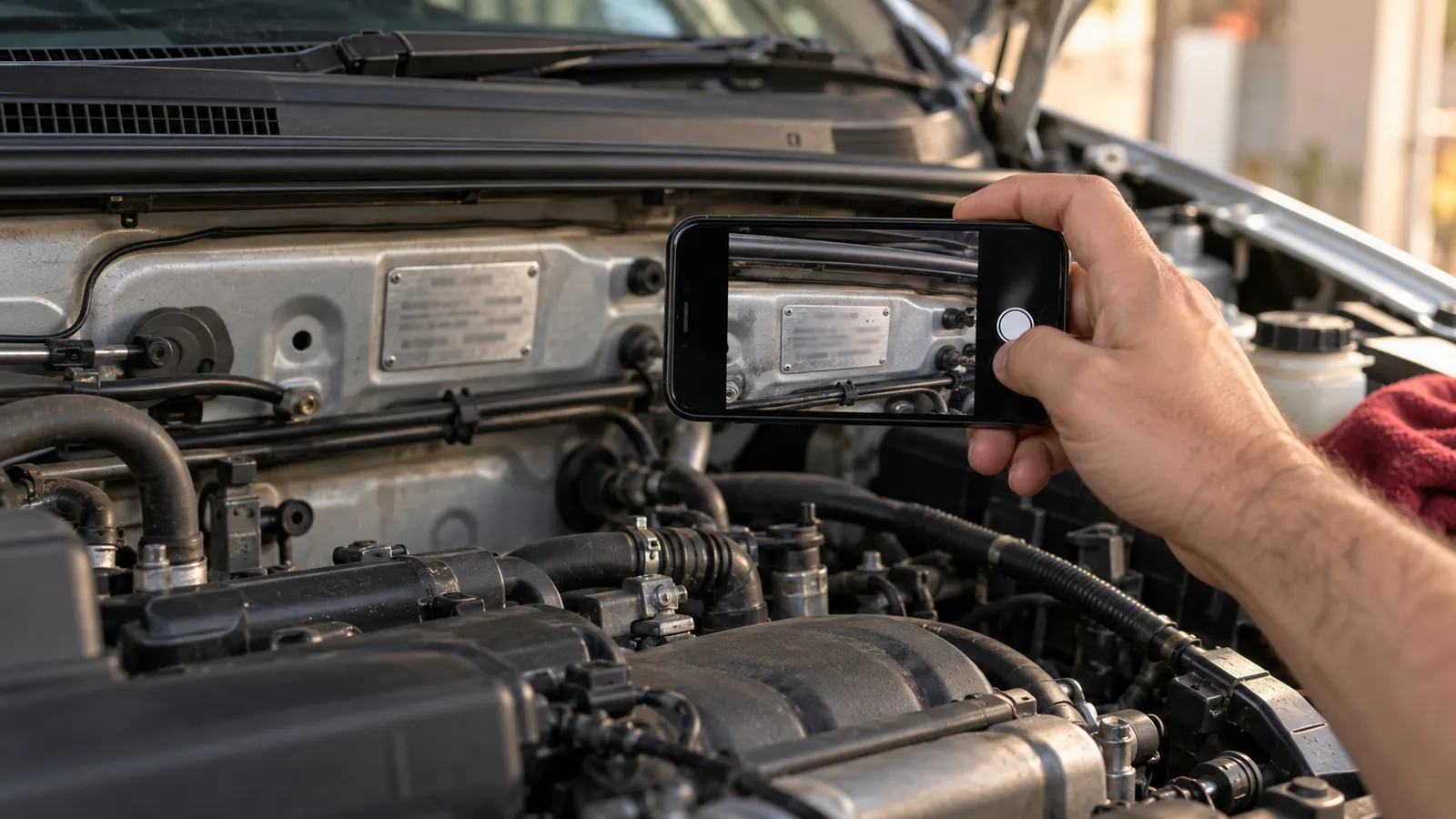
- The engine bay or chassis: some cars have it stamped on the wall between the engine and the cabin, or on the frame near a front wheel.
Take a clear photo and send it to us: that avoids copying mistakes.
Where is it in the papers?
If you'd rather not go out to the car, it usually appears on:
- The título de propiedad (title) from the Registro Nacional.
- The RTV technical inspection certificate.
- The car's insurance policy.
Check that it has 17 characters. If the number is shorter, read on.
My car is a Japanese import and has no 17-character VIN
That's very common in Costa Rica. Many cars that arrived used from Japan (for example some Toyota, Nissan, Mitsubishi or Suzuki models) carry a short chassis number in a format like NZE121-1234567 instead of a 17-character VIN.
That number works too. The first part (NZE121 in the example) tells the exact model and often the engine. To quote accurately, send us:
- The full chassis number.
- A photo of the model plate, usually in the engine bay.
- The year and, if you know it, the engine code.
What do we use it for?
With the VIN or chassis number we look up your car in the original parts catalogs and check the part fits before we buy it. That way you don't pay freight and duties for a part that doesn't fit. Everything that adds to the price is in how much it costs to import a part.
We don't share your VIN with anyone: we only use it to find the part.
In short
Look for the code on the windshield, the driver's door or the car's papers. If it's a Japanese import with a short number, that number works too. With that ready, request your free quote and we'll take care of the rest.
Frequently asked questions
Do I have to send the VIN to get a quote?
No, but it helps a lot. Without the VIN we quote from the make, model and year, and may ask for more details or a photo before buying.
Is the VIN the same as the license plate number?
No. Costa Rica assigns the plate, and it can change. The VIN or chassis number comes from the factory and never changes.
What if the VIN is blurry or unreadable?
Look in another place on the car or in the papers. If you can't find it, send us a photo of the model plate in the engine bay.
Is it safe to share my VIN?
The VIN identifies your car's model and trim, not your personal details. We only use it to find the right part.